Programs and venture ideas

Where student business ideas become real venture practice.

Project Stallion gives East Bay students a practical menu of business tracks: local revenue projects, founder media, customer research, event operations, and funding-readiness work for angel and VC-style conversations.

Students reviewing a venture prospectus after school in the East Bay

Program model

Programs turn club meetings into business work.

Each track gives members a concrete role, a business output, and a funding lesson. Students learn how strong ventures earn trust: useful customers, real traction, clean numbers, and a credible growth story.

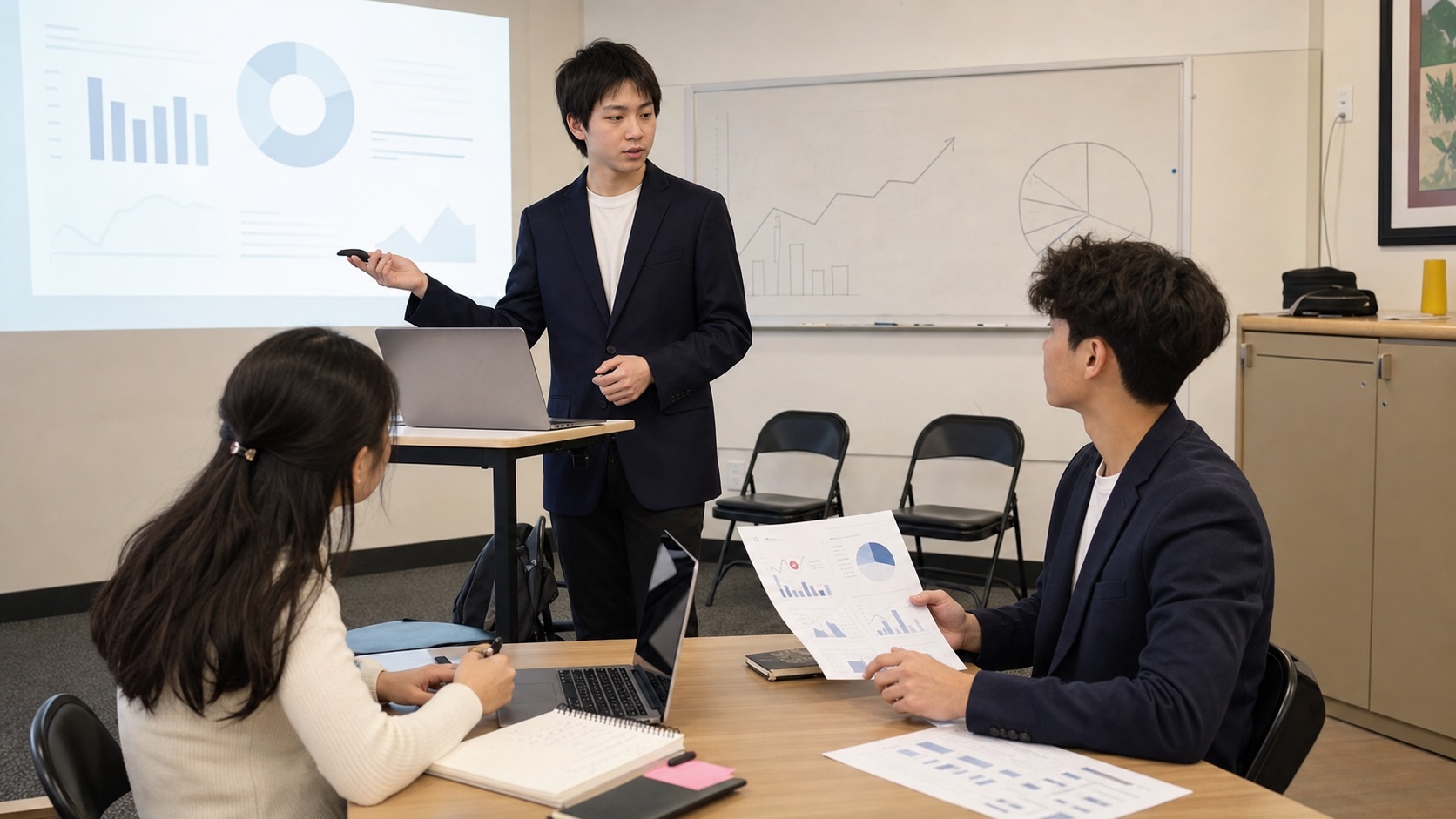
Students practicing a pitch workshop
Track 01

Venture Build Sprints

Small teams pick a customer problem, build a starter offer, and create a pitch memo with pricing, risks, and next milestones.

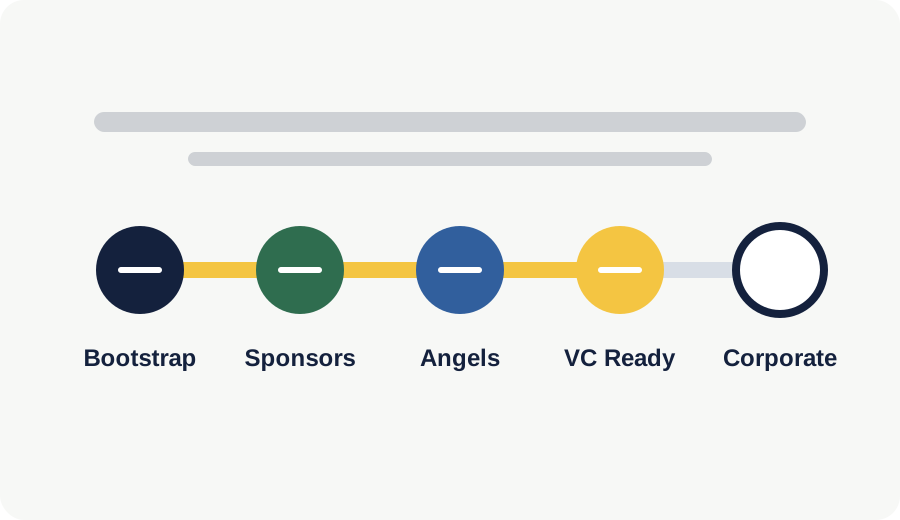
Funding pathway from bootstrapping to sponsors, angels, venture capital, and corporate innovation
Track 02

Funding Readiness Lab

Members learn bootstrapping, sponsors, angel investors, venture capital questions, and corporate innovation pathways.
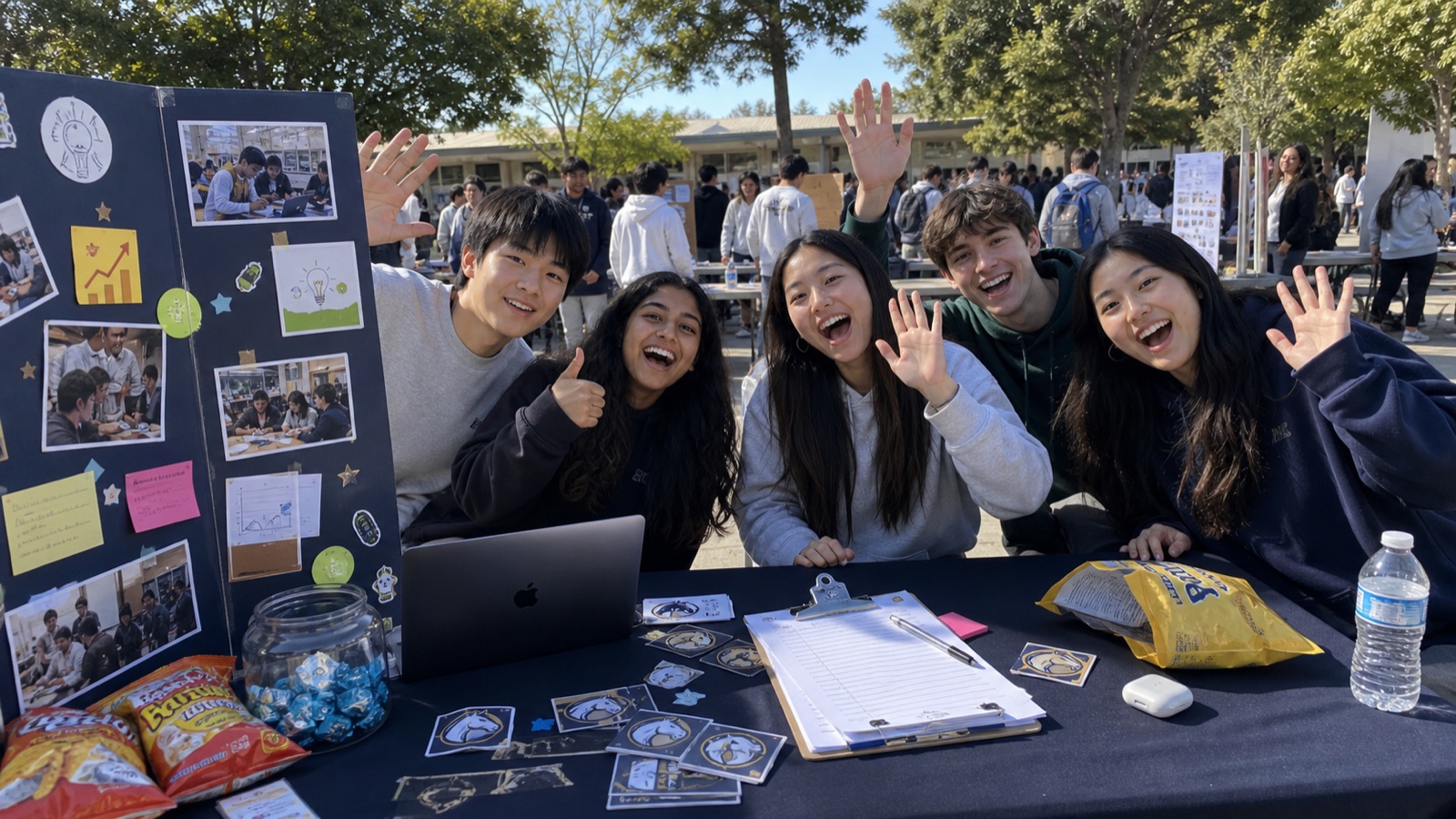
Students running an outdoor club fair table
Track 03

Campus Market Practice

Students practice outreach, simple sales, event tables, customer conversations, and follow-up systems in school-safe settings.

Venture menu

Business areas that fit high school teams.

These are practical enough for three student leaders and one faculty advisor, but serious enough to build a portfolio, customer proof, sponsor interest, and a stronger future funding story.

01

Student Launch Studio

Short-form business videos, simple pages, flyers, launch checklists, and basic outreach kits for student groups, youth programs, and small community organizations.

Revenue path
Project fees, sponsor underwriting, portfolio packages
Business lesson
Scope, pricing, delivery quality, and client communication
02

Local Business Growth Team

Student teams help East Bay small businesses with survey questions, community feedback, menu or product photos, event flyers, and simple customer follow-up.

Revenue path
Small retainers or one-time service packages
Business lesson
Customer discovery, service design, and measurable value
03

Youth Skill Workshops

Mini-classes for younger students in public speaking, budgeting, beginner video editing, personal finance, and entrepreneurship basics.

Revenue path
Ticket sales, sponsor seats, nonprofit partnerships
Business lesson
Curriculum, operations, audience trust, and repeat customers
04

Campus Commerce Lab

School-safe pop-up products, seasonal bundles, club fair tables, pre-order campaigns, and approved fundraiser pilots with clear margins.

Revenue path
Product margin, pre-orders, event-based sales
Business lesson
Inventory, pricing, cash handling, and demand planning
05

Founder Media Desk

Members interview local founders, summarize lessons, publish recaps, and build a serious media library around startup stories and career paths.

Revenue path
Sponsors, showcase support, partner features
Business lesson
Networking, editorial quality, audience building, and brand trust
06

Student Event Operations

Teams plan pitch nights, speaker panels, showcase booths, fundraiser tables, and workshop logistics for school-approved programs.

Revenue path
Event fees, sponsor tables, ticketed workshops
Business lesson
Budgets, vendors, timelines, sales, and public delivery

What makes an idea strong

Good student businesses should start small and become investor-readable.

A strong Project Stallion venture begins with a useful service or product someone understands quickly. From there, members build proof: who needs it, what they pay, what it costs to deliver, what can repeat, and what would make the idea interesting to a sponsor, angel mentor, corporate innovation team, or VC reviewer later.

  • Clear customer and problem
  • Simple first revenue or sponsor path
  • Low startup cost and advisor approval
  • Measurable traction members can explain
  • A realistic path from school project to larger venture
Investor dashboard with charts and traction signals
Members learn to translate student projects into the language of traction, growth, risk, and funding readiness.